By Charbel Karam
In times of war and mass displacement, architecture is no longer merely an art form or a matter of aesthetic luxury. Instead, it becomes a tool for humanitarian survival. From this need emerged the concept of Fabric Architecture one of the modern directions in contemporary architecture, where advanced fabrics and flexible materials are used to construct lightweight, rapidly deployable structures that can be assembled within hours.
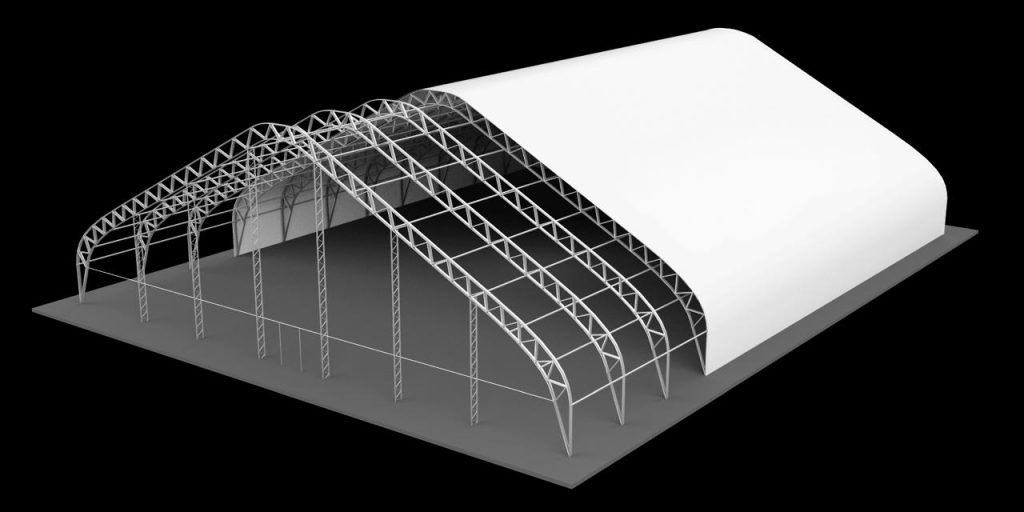
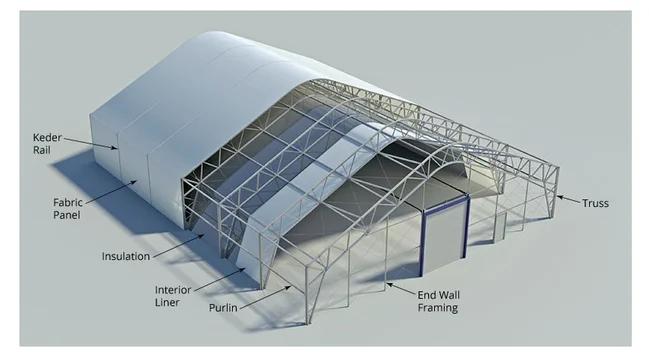
Textile architecture relies on high-strength membrane fabrics stretched over lightweight metal frames or cable systems to create complete architectural spaces such as shelters, field hospitals, temporary schools, and even marketplaces.

How Textile Architecture Works
This technology relies on advanced synthetic materials such as PTFE Fabric and PVC Coated Polyester . These engineered fabrics have several key advantages:
• Lightweight construction compared with concrete or steel buildings
• Rapid assembly, allowing entire structures to be erected in a matter of hours
• Flexibility, making them easy to dismantle and relocate
• Resistance to weather conditions, including rain, wind, and heat
• Portability, enabling transportation to disaster or conflict zones
For this reason, textile structures have become an essential component of what is known as emergency or humanitarian architecture. Architects such as Shigeru Ban have pioneered the use of lightweight and unconventional materials to create quick housing solutions for people affected by disasters and conflicts.
Textile Architecture in War Zones
In armed conflicts, millions of people can lose their homes within hours. Textile architecture can offer rapid and practical solutions, including:
- Rapid Shelter Camps
Entire camps can be established in a single day using tensile fabric structures that provide better insulation and durability than conventional tents. - Mobile Field Hospitals
Large fabric domes can quickly be transformed into medical facilities or emergency clinics. - Temporary Schools for Displaced Children
These structures can easily function as classrooms or community centers for education. - Humanitarian Logistics Centers
The large interior spans created by tensile structures make them ideal for aid distribution and emergency coordination.
Organizations such as UNHCR have experimented with similar solutions in refugee contexts around the world.
Global Examples
One well-known example of a refugee settlement is Zaatari Refugee Camp which gradually evolved into a functioning city. Although it initially relied on conventional tents, the trend in humanitarian architecture today is moving toward more durable and adaptable textile structures that provide improved living conditions.
How Could It Be Applied in Lebanon?
Lebanon lies in a region frequently affected by political instability and humanitarian crises, while also hosting large numbers of refugees. Textile architecture could therefore offer practical solutions in several scenarios:
- Organized Humanitarian Camps
Instead of unplanned and chaotic settlements, modular textile units could be designed as organized neighborhoods with shared services and public spaces. - Mobile Emergency Infrastructure
The army or civil defense could deploy portable textile structures to rapidly establish shelters, hospitals, or relief centers after conflict or disasters. - Temporary Educational Facilities
Fabric structures could provide quick solutions for building schools for displaced communities, especially in border regions. - Temporary Economic Spaces
These structures could also serve as markets or small business hubs, allowing displaced people to work and reduce dependency on humanitarian aid.