
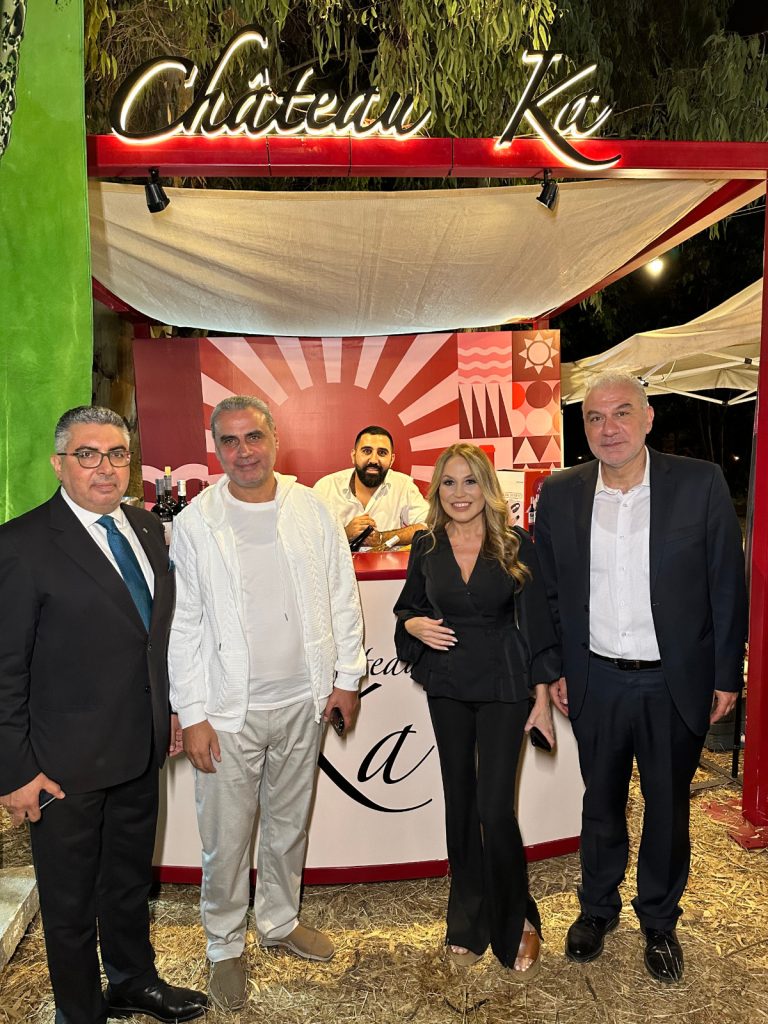
For two remarkable days, the historic Baabda Railway Station came alive once again; not with the sound of departing trains, but with the clinking of wine glasses, music, conversation and the unmistakable energy of a Lebanon that continues to create, produce and celebrate.
The first edition of Chemin du Vin, launched by the Baabda International Festivals, under the presidency of Nadine Nehme, brought together Lebanese winemakers, producers, public figures, cultural and tourism representatives, members of the media, partners and a large audience in an exceptional setting where history met contemporary Lebanese life.
More than a wine festival, Chemin du Vin was conceived as a journey through the Lebanese landscape itself; a journey beginning in the vineyard, rooted in the soil and carried by the people who continue to cultivate, produce and believe in Lebanon. Its destination was one of the country’s most evocative historic sites: Baabda’s railway station, a place once defined by movement, connection and journeys between people and regions.
Opening the event and hosting the ceremony, Rita Mansour welcomed guests to a setting that embodies an important chapter of Lebanon’s collective memory. In her opening remarks, she highlighted the spirit behind Chemin du Vin: the belief that heritage should not remain a memory preserved in the past, but can become a living space for culture, dialogue, celebration and new beginnings.
For Nadine Nehme, the choice of the historic station was deeply intentional. The railway was never merely a network of tracks and stations; it was once a vital link connecting Lebanon and its surroundings, carrying people, stories, dreams and memories from one destination to another. Through Chemin du Vin, that journey has been given a new meaning; one that brings together culture, tourism and Lebanese production while opening the doors of a historic place to a new generation.
Raising a toast from Baabda to Lebanese wine, history, memory and culture, Nehme underlined the festival’s commitment to celebrating not only the wine itself, but the people and the land behind it. Every vineyard tells a story of soil, seasons, patience and dedication; every bottle carries the work of families, farmers and producers who continue to invest in their land and carry the name of Lebanon beyond its borders.

That connection between wine and the land was at the heart of the address delivered by Micheline Touma, President of the Lebanese Union of Vine and Wine. She emphasized that celebrating Lebanese wine means celebrating the farmers, producers, families and workers who sustain the sector, particularly through challenging economic and social circumstances.
She also highlighted the significance of bringing a dedicated wine festival to Baabda for the first time, creating a new platform for discovering the diversity of Lebanese wines and strengthening the sector’s presence within Lebanon’s tourism and wine landscape. Supporting Lebanese wine, she noted, means supporting an entire value chain; from the vineyard and the producer to workers, families and consumers; while giving Lebanese wine a stronger presence in both local and international markets.
The historic setting also provided an opportunity to look toward the future of Lebanon’s railway heritage. Ziad Chaya, Director General of the Railway and Public Transport Authority, welcomed the opening of the station to initiatives celebrating Lebanese production and spoke of ongoing efforts toward restoring railway connectivity, particularly along the northern route toward Tripoli and its port.
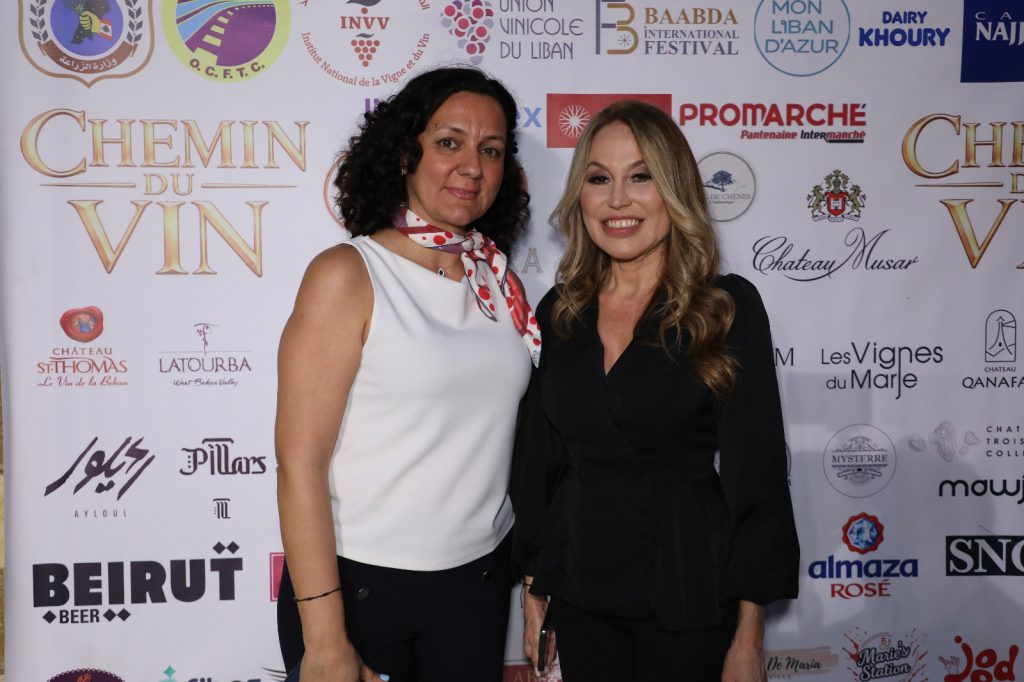
Representing Minister of Agriculture Dr. Nizar Hani and Director General of Agriculture Eng. Michel Lahoud, Fadi Ghanem drew a powerful parallel between the railway’s historic role and the journey Lebanese products can undertake today. A station that once connected Lebanon to its surroundings can now become a symbol for products capable of crossing borders and carrying Lebanon’s name into international markets.
Ghanem stressed that wine does not begin at the winery. It begins in the soil, in the vineyard, in climate and altitude, in cultivation, expertise and care, before continuing through production, fermentation, ageing, bottling and marketing. Lebanon’s diversity of soils, elevations and microclimates, together with the accumulated knowledge of its farmers and winemakers, gives Lebanese wine a distinctive identity and an opportunity to compete through quality, authenticity, traceability and a compelling sense of place.
The message was equally clear: the value of Lebanese wine extends far beyond the bottle. It encompasses farmers, workers, agricultural engineers, technicians, producers, transporters, restaurants, hotels, tourism and entire rural communities. Supporting Lebanese wine therefore means supporting a much wider economic ecosystem;one that keeps land productive, creates value and helps people remain connected to their communities and their soil.
At Chemin du Vin, this philosophy was translated into a vibrant two-day experience. Lebanese wineries and producers presented their creations alongside a diverse selection of Lebanese food and products, while music and live performances transformed the historic station into a lively meeting place.
The first evening featured Johnny Aouad, followed by DJ Rony, while the second evening welcomed Rony Raffoul, followed by DJ Rony, adding a distinctive musical dimension to an event that brought together wine, gastronomy, heritage and entertainment.
Throughout the two days, the atmosphere was one of celebration and discovery. Guests came not only to taste Lebanese wine, but to experience the station itself; to walk through a historic site, meet producers, enjoy Lebanese hospitality and witness an old landmark taking on a new life.
The event also paid tribute to the late Akram Nicolas Kassatly, remembered as one of the prominent pioneers and producers of Lebanon’s wine sector, honoring the generations whose dedication helped shape the story of Lebanese wine.
With its first edition, Chemin du Vin offered a vision that reaches beyond a single weekend. It proposed a new way of looking at Lebanon’s heritage: not as something frozen in time, but as a foundation from which new experiences, new encounters and new journeys can emerge.

The trains may have stopped running through Baabda long ago. But the journey does not have to end there.
Today, Lebanese wine can travel where the trains once travelled; across borders, into new markets and towards the world, carrying with it the character of its soil, the work of its people and the story of Lebanon.
From the historic Baabda Railway Station, Chemin du Vin has opened a new chapter; one where heritage meets the present, the vineyard meets the world, and Lebanon raises its glass once again.