Zalfa Assaf
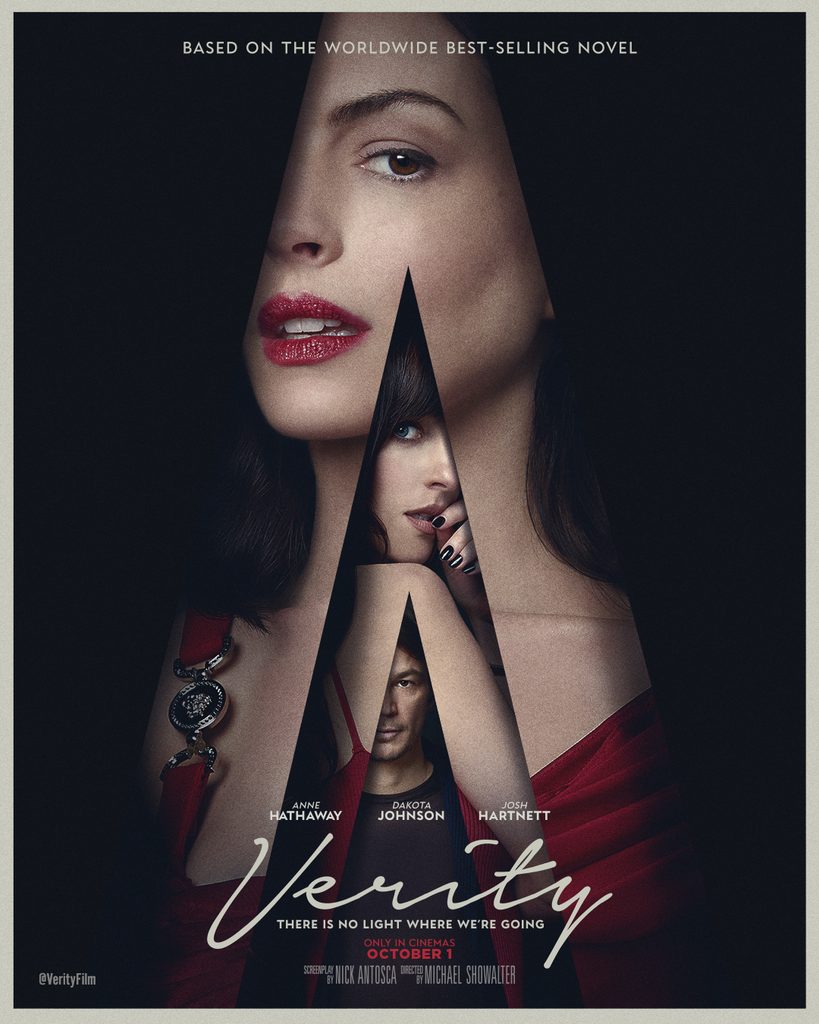
Among the films currently showing at Grand Cinemas, Verity turns a writer’s professional opportunity into a disturbing encounter with a family’s darkest secrets. Directed by Michael Showalter and adapted from Colleen Hoover’s bestselling novel, the psychological thriller stars Anne Hathaway, Dakota Johnson and Josh Hartnett, with a screenplay by Nick Antosca and Hoover.
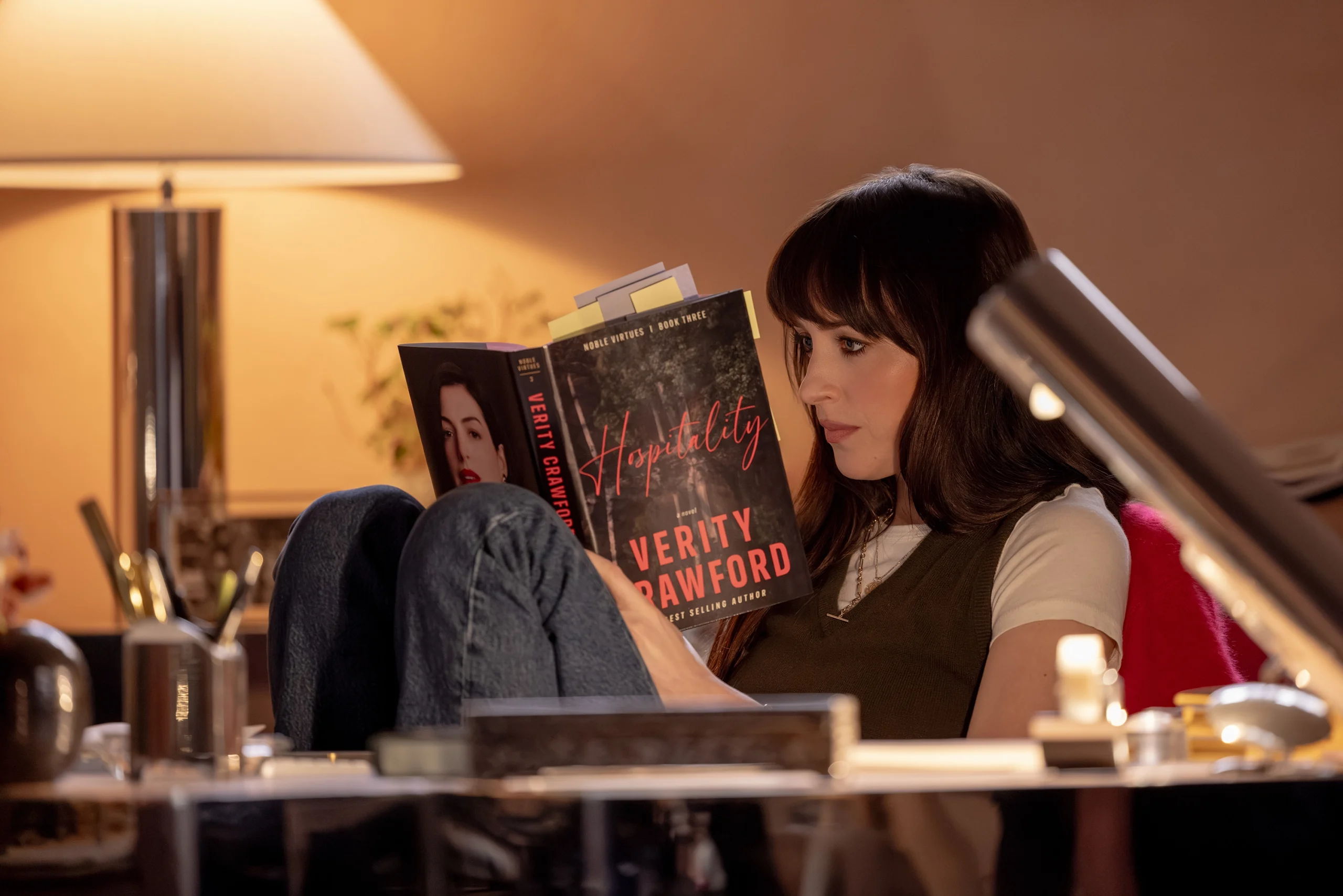
Dakota Johnson plays Lowen Ashleigh, a struggling writer hired to finish the book series of Verity Crawford, a celebrated novelist who can no longer continue her work following a serious accident. Lowen moves into the secluded Crawford home to work on the books, bringing her into the orbit of Verity’s husband, Jeremy, and a household where something feels deeply wrong.
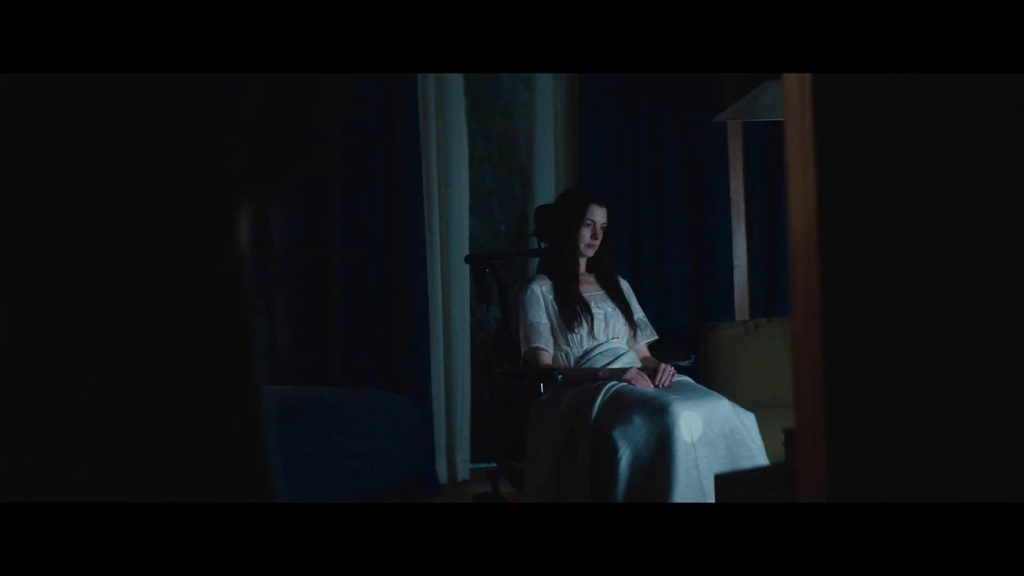
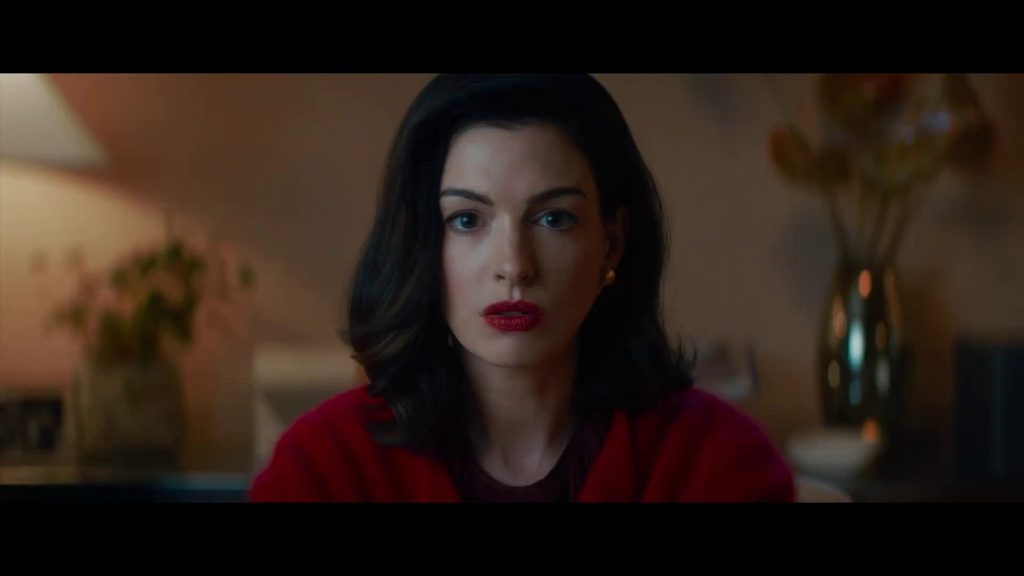
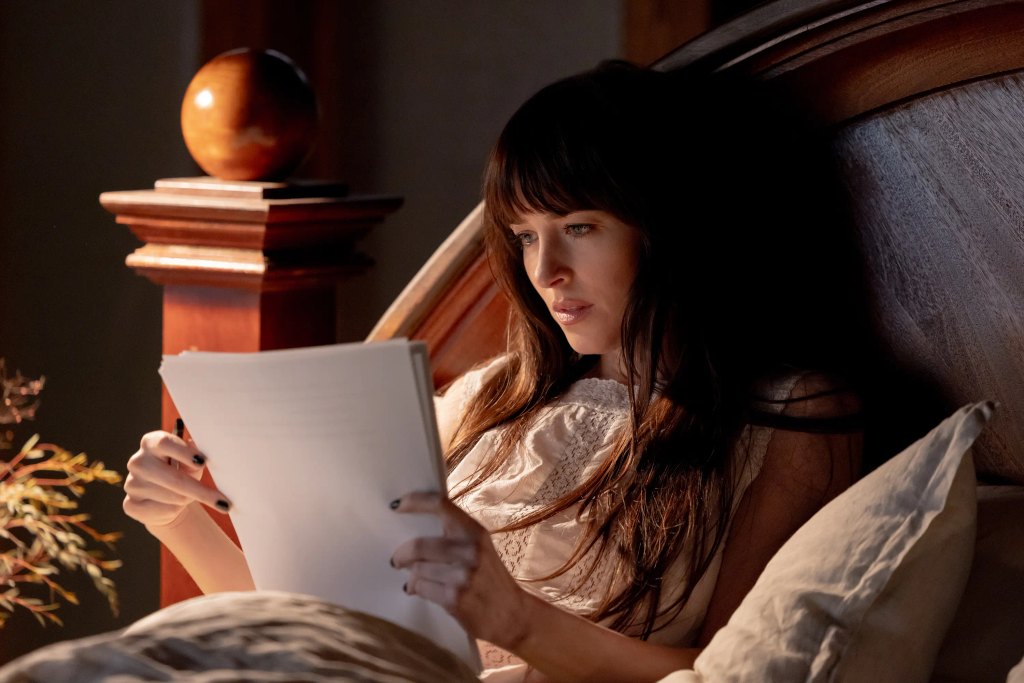
The turning point comes when Lowen discovers what appears to be Verity’s private autobiographical manuscript. Its disturbing account of the family’s past raises questions about Jeremy, Verity herself and the tragedies that have shaped their lives. Lowen must decide whether the pages reveal a hidden truth or offer a carefully constructed version of events. The closer she gets to the family, the harder it becomes to separate her growing attraction to Jeremy from her suspicions about him.
What makes the premise compelling is that the mystery rests on a document whose reliability can never be taken for granted. Verity is a successful novelist, someone who has built a career by inventing stories and shaping what readers believe. Her manuscript therefore carries a troubling ambiguity: even when it sounds like a confession, how can Lowen know whether she is reading the truth or another piece of fiction?
Showalter brings the story into the confined world of the Crawford estate, where the isolation intensifies every suspicion. The house becomes more than a backdrop; it is the space in which private histories, uneasy relationships and unanswered questions begin to close in on Lowen. The suspense grows from the contrast between what she can see and what she can actually know.
The performances are central to that uncertainty. Johnson gives Lowen a guarded curiosity that gradually turns into unease, while Hathaway makes Verity a haunting presence whose influence extends beyond what she can express herself. Hartnett’s Jeremy remains difficult to read, and that ambiguity is essential to the tension. None of these characters can be understood entirely at face value, which keeps the emotional stakes tied to the mystery.
The film’s challenge is to make its twists feel earned rather than simply surprising. Its premise offers fertile ground for a psychological thriller, particularly in the way it connects attraction with suspicion and storytelling with manipulation. But the mystery is only as powerful as the characters caught inside it. When the film leans too heavily on the next revelation, it risks weakening the more unsettling questions that make its premise work.
Still, Verity finds an effective source of unease in the act of reading itself. Lowen is not just trying to uncover a family secret; she is trying to decide which version of a story deserves to be believed. And as the gap between confession and invention grows harder to measure, the manuscript becomes as dangerous as the people it describes.
In Verity, the most unsettling possibility is that the truth may be right in front of you, yet the story surrounding it can still make you doubt what you see.
Currently showing at Grand Cinemas. Follow our website for the latest movie schedule and upcoming screenings.