
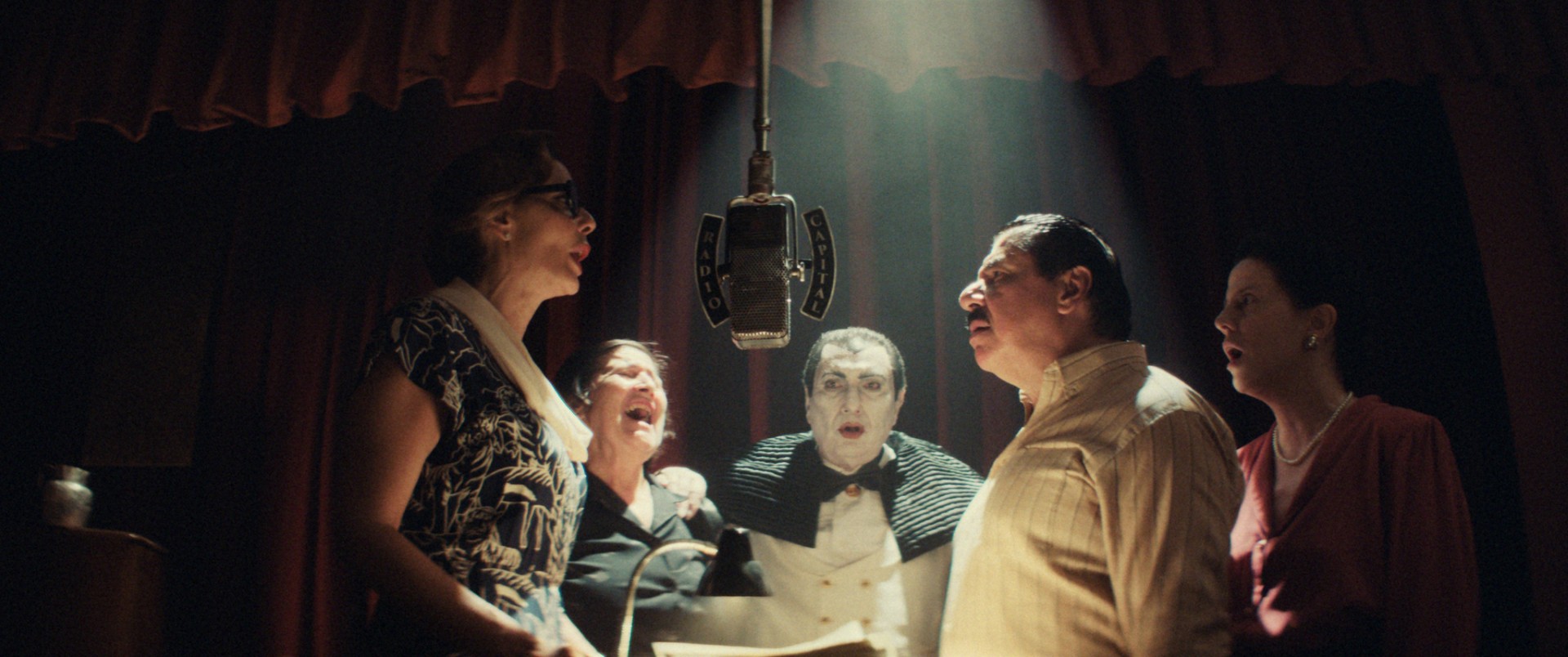
The 76th Berlin International Film Festival (Berlinale), running from 12 to 22 February 2026, continues its legacy as one of cinema’s most inclusive and globally minded showcases. Far beyond red carpets, the festival has become a place where filmmakers from across the world bring varied human experiences into conversation on love, identity, history, memory and resistance reflecting the turbulent currents of our time.
The lineup for this year’s main competition includes 22 films from 28 countries, each vying for the coveted Golden Bear, illustrating both artistic diversity and political urgency.
The festival opened with “No Good Men”, an autobiographical drama by Shahrbanoo Sadat, which premiered on 12 February as the official opening film. Directed and co‑written by Sadat, the movie follows the life of a female camerawoman in Kabul, blending personal narrative with broader reflections on society and gender.
Among the competition titles, viewers are encountering a wide range of themes and settings:
- “In a Whisper”, directed by Leyla Bouzid, reunites family tensions and unspoken histories as a woman returns to her Tunisian home after years in Paris, confronting memory and generational change.
- From Spain, “Iván & Hadoum” by Ian de la Rosa explores a tender, complex relationship between Iván, a transgender man, and Hadoum, navigating love and identity within a conservative context.
- In the Panorama section, “Only Rebels Win” by Danielle Arbid brings a Beirut setting to life, tracing the unexpected connection between a widow and a young man seeking a fresh start amidst social fragmentation.
- And in the Generation Kplus category, “Not a Hero” by Rima Das follows a young boy’s transition from urban to village life, capturing emotional shifts with a gentle, observational lens.
Beyond the films themselves, Berlinale’s programming continues to highlight global voices and perspectives, reaffirming its role not just as a film festival, but as a cultural crossroads where cinema becomes a space to examine identity, community and the human condition.