
MEL-CHRIST HACHEM
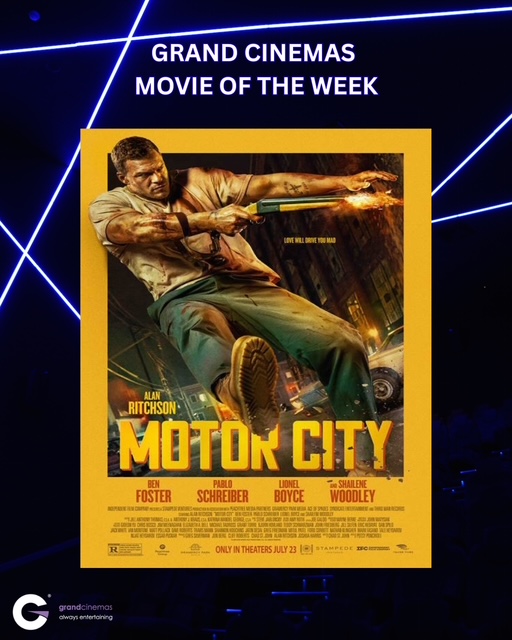
Currently screening at Grand Cinemas Lebanon, Motor City delivers a dark crime thriller driven by revenge, betrayal and the emotional scars left behind by a broken system.
Set against the atmosphere of 1970s Detroit, the film explores how a man pushed beyond his limits transforms his pain into a relentless pursuit of justice.
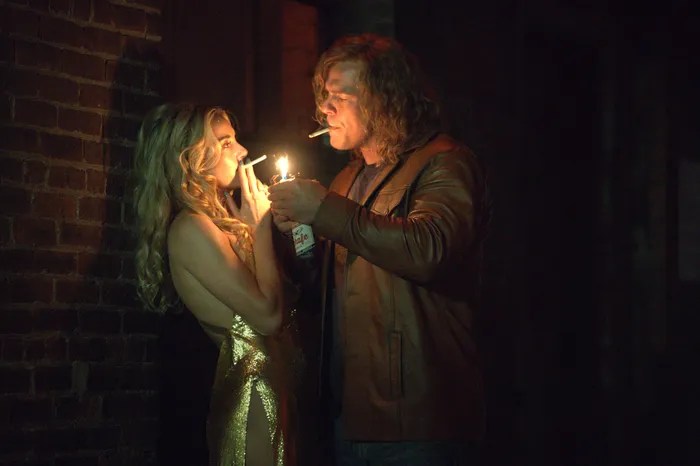
Directed by Potsy Ponciroli and written by Chad St. John, Motor City follows John Miller, a working-class man whose life is shattered after falling in love with Sophia, the girlfriend of ruthless gangster Reynolds, who frames him for a crime he did not commit. After years behind bars, John returns to a city consumed by violence and corruption, determined to confront the man who stole both his freedom and his future.
At its core, the film is not only a story of revenge, but also an exploration of loss, identity and the psychological consequences of being denied justice. John’s journey becomes a reflection of a man trying to reclaim control over a life that was taken from him.
A Character Defined by Pain and Silence
Leading the film, Alan Ritchson portrays John Miller as a character shaped by anger, trauma and determination. Rather than presenting revenge as a simple path to victory, the performance focuses on the emotional weight carried by a man who has been changed by his experiences.
Shailene Woodley brings emotional depth to the role of Sophia, adding a human dimension to John’s past and the life he lost. Her presence reinforces the film’s exploration of relationships affected by time, choices and circumstances.
The cast also includes Ben Foster as Reynolds, Pablo Schreiber as Savick, and Lionel Boyce as Youngblood, contributing to a world where power, corruption and personal conflicts shape the characters’ decisions.
A Dark Vision of Detroit
With Potsy Ponciroli’s direction, Motor City embraces the atmosphere of a classic revenge thriller while focusing on the emotional journey of its protagonist. The film uses the streets of Detroit, its industrial landscapes and its sense of isolation to reflect John’s internal struggle.
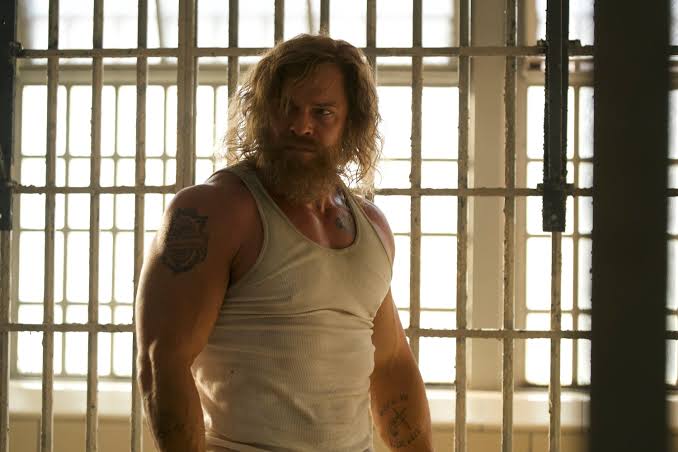
One of the film’s defining stylistic choices is its minimal use of dialogue. Rather than explaining its characters through extensive conversations, Motor City relies heavily on visual storytelling, physical performances and atmosphere to communicate emotion and tension. This restrained approach reinforces the film’s gritty tone and allows the narrative to unfold through images, movement and silence as much as through words.
The film’s music also plays a fundamental role in shaping the emotional impact of the scenes and enhancing the expressive performances, particularly in moments of minimal dialogue.
The visual style and emphasis on atmosphere create a world where silence, tension and physical presence often speak louder than dialogue. The city itself becomes part of the narrative, representing both the environment that shaped John and the battlefield where he confronts his past.
Beyond Revenge
While revenge drives the story forward, Motor City is ultimately about the consequences of losing everything and the difficult search for meaning after trauma. The film examines whether reclaiming the past can truly heal the wounds it created.
Through its crime-driven narrative, strong visual identity and focus on a damaged protagonist, Motor City presents a story about justice, survival and the cost of becoming consumed by revenge.