زلفا عسّاف

في برنامج مهرجان “شاشات الجنوب” الذي قدّمته سينما متروبوليس بين 28 أيار و6 حزيران، لم تكن الأفلام مجرّد اختيارات، بل خارطة سينمائيّة بين دول عدّة من فلسطين وكولومبيا والعراق وفرنسا وإسبانيا وغيرها. هذه الأعمال، التي عُرض بعضها في مهرجانات كبرى مثل كان cannes، وبرزت في دوائر نقديّة دوليّة، التقت عبر قاسم مشترك هو الإنسان حين يُجرّد من يقينه الداخلي ويُترك في مواجهة الصمت، الذاكرة، والفقد والتاريخ.
في مدينة مثل بيروت، التي ما زالت تعيش آثار حرب طويلة وانكسارات متراكمة في الذاكرة اليوميّة، بدا هذا البرنامج أكثر من مجرّد عروض سينمائيّة، بل مساحة قراءة مشتركة للعالم عبر مشاهد بصريّة تتقاطع فيها التجارب حيث تتحول الصورة إلى أداة تفكير وليست مجرد تمثيل، ويصبح الاختيار البرمجي نفسه خطابًا ثريّاً عن العالم. وقد استطاعت سينما متروبوليس من خلال هذه البرمجة أن تعيد تثبيت فكرة أن السينما ليست ترفًا، بل مساحة مقاومة هادئة للانهيار، وأنها تتيح للمدينة أن تستعيد شيئًا من توازنها الرمزي.
وقد اخترنا التوقف عند أبرز الأفلام التي شاهدناها ضمن هذا البرنامج، بوصفها ليست أعمالًا منفصلة، بل فصلًا واحدًا من سؤال أكبر حول الإنسان حين يُفكك من ثوابته، حين يصبح الصمت لغة، والذاكرة عبئًا، والفن سؤالًا غير مكتمل، والرحلة شكلًا من الانكشاف الداخلي.


يمتد هذا الحس المشترك من فيلم Rungano NyoniOn Becoming a Guinea Fowl (2024)، الذي جاء من زامبيا والمملكة المتحدة وإيرلندا، وعُرض في مهرجان كان 2024 ضمن قسم Un Certain Regard حيث لاقى إشادة نقديّة واسعة. الفيلم الذي تؤدي فيه Susan Chardy (Shula) دور امرأة تعود إلى عائلتها بعد وفاة قريب، ينطلق من حدث بسيط ظاهريًا: عودة ابنة إلى بيت العائلة لحضور جنازة، لكن هذه العودة تتحوّل تدريجيًا إلى مواجهة مع تاريخ كامل من الصمت حول اعتداءات غير مُعترف بها داخل العائلة.
شيئًا فشيئًا، يتكشّف أن البيت ليس مكانًا للذاكرة، بل نظام مغلق لإعادة إنتاج الإنكار، حيث يصبح كل فرد جزءًا من بنية تواطؤ صامت. سرديًا، لا يبني الفيلم تصعيدًا تقليديًا، بل يشتغل على التوتر البطيء، كأن الحدث الحقيقي يحدث تحت الكلام لا داخله. الإخراج يعتمد على كادرات ثابتة ومساحات فارغة محسوبة تجعل الصمت أكثر حضورًا من الحوار، مع تصميم صوتي يضاعف الإحساس بالفراغ، فيتحول البيت إلى فضاء خانق نفسيًا.


ومن هذا الصمت الثقيل ننتقل إلى لحظة أرشيفية نادرة مع فيلم Saïd Effendi (1956) للمخرج العراقي كامران حسني، الذي يُعد من الأعمال المبكرة في السينما العراقية الواقعية. وقد عُرض هذا الفيلم ضمن كلاسيكيات مهرجان كان السينمائي العام الماضي كما ورد في تقديم العرض.
تدور قصته حول رجل بسيط في بغداد القديمة يعيش تفاصيل يومية هادئة ظاهريًا، لكن هذه التفاصيل تتحول تدريجيًا إلى مرآة لمدينة تتغير بصمت. يؤدي الأدوار الرئيسية سامي عبد الحميد وإستر غطاس.
يعتمد الفيلم على تصوير خارجي طبيعي يعكس تأثير الواقعية  الجديدة، حيث تصبح بغداد هي الشخصية الأساسية، تتحرك بين زمنين: تقليد ينسحب وحداثة تتشكل، في بناء بصري يقوم على الملاحظة أكثر من الحدث.

أما في فيلم A Poet (2025) للمخرج الكولومبي Simón Mesa Soto، والذي عُرض في مهرجان كان 2025 ضمن قسم Un Certain Regard، فنحن أمام قصة تبدأ من نقطة انكسار: شاعر يعيش خارج دائرة الاعتراف، يحاول استعادة معنى حياته عبر علاقة بطالبة شابة موهوبة. الشخصية المركزية Óscar Restrepo، التي يؤديها Ubeimar Rios, تتحول إلى دراسة في انهيار صورة الفنان حين يُسحب منه الاعتراف الرمزي.
يتقدم الفيلم عبر تفاصيل يومية دقيقة، ويعتمد على قرب بصري شديد من الشخصيات، ما يجعل التجربة أقرب إلى تفكك داخلي هادئ أكثر من كونها سردًا تقليديًا.
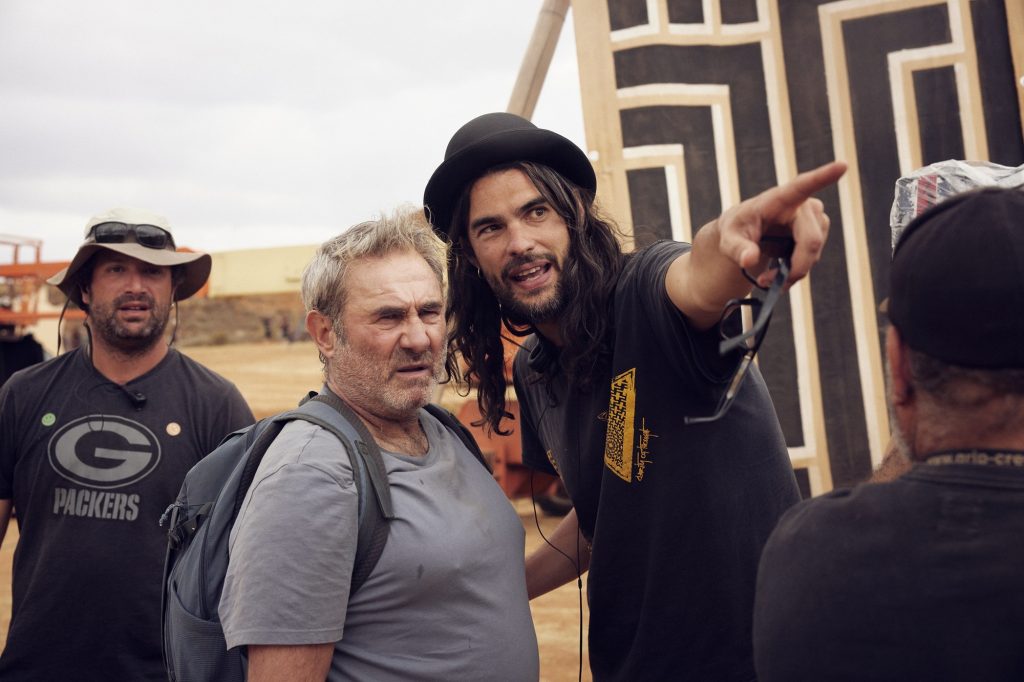

في المقابل، يأخذنا Sirât (2025) للمخرج الإسباني الفرنسي Oliver Laxe، الذي عُرض في مهرجان كان 2025، إلى رحلة صحراوية تبدأ بالبحث عن مفقودة، لكنها تتحول تدريجيًا إلى تجربة وجودية يتآكل فيها معنى الهدف نفسه.
يحمل الفيلم عنوانه بمعناه الفلسفي: الصراط المستقيم، كمسار هش بين الحياة والموت، وبين المعنى والضياع. ومع تقدم الرحلة، تتحول الصحراء إلى حالة وعي، والزمن إلى كتلة شعورية بطيئة، فيما يصبح الصمت عنصرًا مركزيًا في بناء التجربة البصرية.


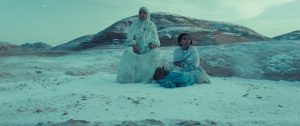
واختتمت عروض البرنامج مع فيلم All That’s Left of You (2025) للمخرجة شيرين دعيبس، وهو إنتاج متعدد الدول بين فلسطين وألمانيا وقبرص والأردن واليونان وقطر والسعودية.
يمتد الفيلم عبر قصة عائلة فلسطينية تتعرض للتشظي عبر أجيال من النكبة إلى الشتات، حيث تتحول الذاكرة إلى بنية متراكمة من الفقد.
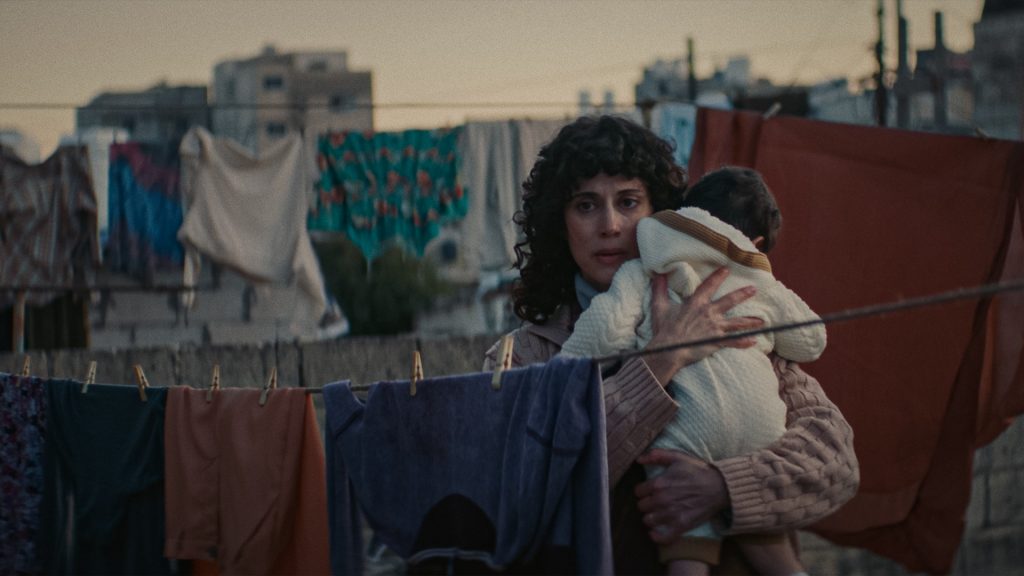
الأدوار الرئيسيّة شيرين دعيبس، صابح بكري، آدم بكري ومحمد بكري.

الفيلم يتتبع عائلة فلسطينية تمتد عبر عدة أجيال، تبدأ من الأب الأكبر ثم الابن، وصولًا إلى الجيل الأصغر، حيث تتشكل حياتهم تحت ضغط النكبة وما تلاها من فقد وتشظي وتهجير. في قلب هذا الامتداد العائلي، تعيش الأم تجربة مركزية تقود السرد، بينما يتعرض الابن لخسارة قاسية تغيّر مسار العائلة وتكشف كيف يتحول الفقد الفردي إلى ذاكرة جماعية ممتدة. الفيلم يقدّم هذا التاريخ ليس كأحداث سياسية مباشرة، بل كحياة يومية تتراكم فيها الخسارات الصغيرة لتصنع حكاية عائلة كاملة تبحث عن معنى البقاء والانتماء.
على الهامش
ضم البرنامج أيضًا مجموعة أعمال أخرى امتدت من الجزائر والهند وكوريا الجنوبية وإيران واليابان والأرجنتين ونيجيريا، إضافة إلى برنامج أفلام قصيرة طلابية من IESAV – USJ. هذه الأعمال فتحت أسئلة موازية حول الطبقة والهجرة والسلطة والطفولة والهوية، بما يجعل البرنامج شبكة واسعة من التجارب أكثر من كونه سلسلة عروض مستقلة.

ختامًا، ما يجمع هذه الأفلام عبر الجغرافيا والموضوعات المختلفة هو طريقة مشتركة في النظر إلى الإنسان حين يُفكك من ثوابته: حين يصبح الصمت لغة، والذاكرة عبئًا، والفن سؤالًا غير مكتمل، والرحلة شكلًا من الانكشاف الداخلي. في هذا السياق، بدا برنامج “شاشات الجنوب” في متروبوليس مساحة سينمائية تعيد التفكير في الصورة كوسيلة إدراك لا تمثيل.
كل فيلم  فتح أسئلة وجوديّة وفلسفيّة في الصميم وكأن البرنامج يقترح أن الإنسان في السينما المعاصرة لم يعد يُفهم من خلال ما يفعله، بل من خلال ما يصعب عليه قوله أو تذكره أو تجاوزه.
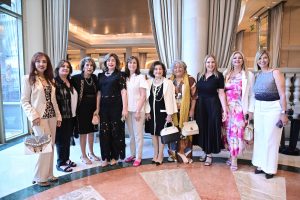

In a powerful statement of
creativity, elegance, and perseverance, The Summer Luxuria Edit officially
opened its doors at Phoenicia Hotel Beirut, bringing together some of the
region’s most distinguished names in fashion, jewelry, beauty, art, and luxury
lifestyle.

Organized by M&O Events
under the patronage of Beirut Governor Judge Marwan Abboud, the four-day
exhibition attracted an exceptional gathering of celebrities, influencers,
media personalities, entrepreneurs, and prominent members of Lebanon’s social scene,
all united by a shared appreciation for innovation, craftsmanship, and luxury.

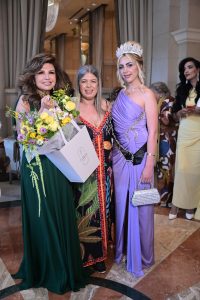
The opening evening was
further elevated by the presence of the event’s ambassador, Queen of Beauty
Leila Obeid, whose elegance and influence perfectly reflected the spirit of the
exhibition.

At the heart of this
successful initiative is Nicole Kamel, Founder of M&O Events, whose vision
and determination transformed challenges into opportunities. Through her
unwavering commitment to supporting creative talent and luxury brands, she
created a dynamic platform that celebrates excellence while highlighting
Beirut’s enduring role as a center for culture, beauty, and entrepreneurship.

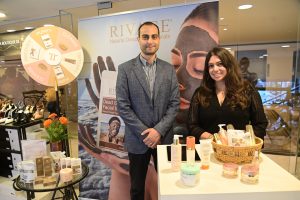
Showcasing an impressive
selection of exhibitors across jewelry, fashion, beauty, art, accessories, and
lifestyle, The Summer Luxuria Edit offered visitors a unique and immersive
experience, reaffirming its position as one of the season’s most anticipated
luxury events.

More than an exhibition, The
Summer Luxuria Edit stands as a celebration of Beirut’s resilience, proving
once again that creativity and elegance continue to thrive despite every
challenge.


Aya Assaf

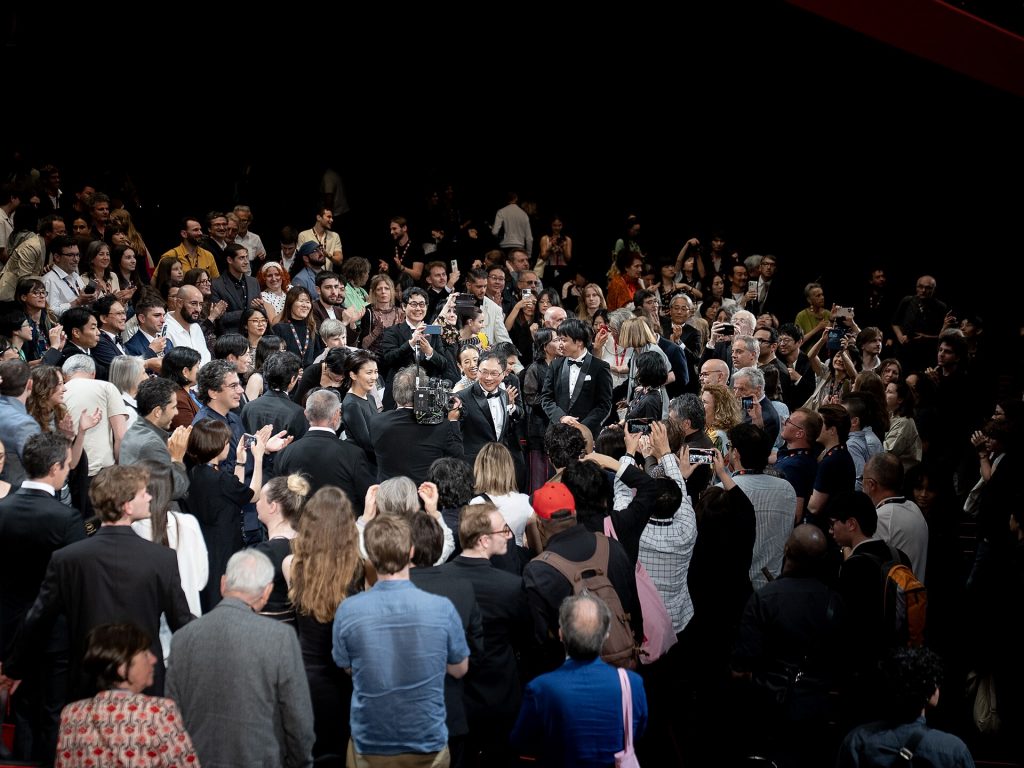
The 2026 Cannes Film Festival unfolded as one of the most politically charged and aesthetically restrained editions in recent memory, reaffirming the festival’s enduring preference for difficult, uncompromising cinema over accessible narrative form. Across its official selections and award decisions, Cannes positioned itself once again as a space where cinema is not merely exhibited, but interrogated.
At the center of this year’s conversation stands Fjord, the Palme d’Or winner. The film is widely understood as a study of political polarization and moral collapse, reflecting tensions between cultural systems and individual belief structures. Its tone is marked by emotional restraint and formal austerity, favoring observation over dramatic escalation. The result is a work that embodies control, silence, and ideological friction more than narrative resolution.
In contrast, Minotaur, the Grand Prix winner, represents a more confrontational cinematic language. It engages directly with themes of war, violence, and systemic power, constructing a dense symbolic framework that prioritizes intellectual intensity over accessibility. Its reception was notably divided, with some viewing it as a bold formal and conceptual achievement, while others saw it as overwhelmingly heavy in its metaphorical structure.
The Jury Prize awarded to The Dreamed Adventure reflects a different sensibility within the festival. The film is distinguished by visual precision and emotional clarity, offering a more lyrical and restrained approach compared to the heavier political works in competition. It became one of the most consistently appreciated films in terms of craft, even if it did not occupy the central position in the official hierarchy.
Meanwhile, Fatherland and The Black Ball reinforced the strong presence of European auteur cinema within the selection. Both films emphasized directorial control and formal experimentation, with a clear focus on visual composition and narrative structure. The shared recognition in directing highlighted the festival’s openness to multiple cinematic languages rather than a single dominant style.
Across the overall selection, a coherent critical pattern emerges. The festival leaned heavily toward politically serious, formally disciplined cinema, favoring works that explore ideological tension, historical weight, and social fragmentation. At the same time, there was a clear tendency toward aesthetic austerity, with an emphasis on slow pacing, reflective storytelling, and emotional containment.
Rather than producing consensus, the festival generated structured disagreement. The awarded films were not unified by style or tone, but by a shared seriousness of intent and a commitment to cinema as a space of inquiry rather than resolution.
Ultimately, Cannes 2026 reflects a cinema increasingly defined by tension rather than closure. The films presented do not aim to comfort or conclude, but to confront, question, and destabilize. In this sense, the festival continues its long-standing role as a site where cinema functions not as entertainment alone, but as a form of cultural and political thought.

Melhem Hachem

The audience does not leave “Al Wahish” with a single settled impression. What remains is a suspended state of uncertainty, as if the performance resists closure and refuses to be reduced to a fixed judgment. The experience continues to unfold after the curtain falls, shifting the focus from evaluation to lingering psychological residue.

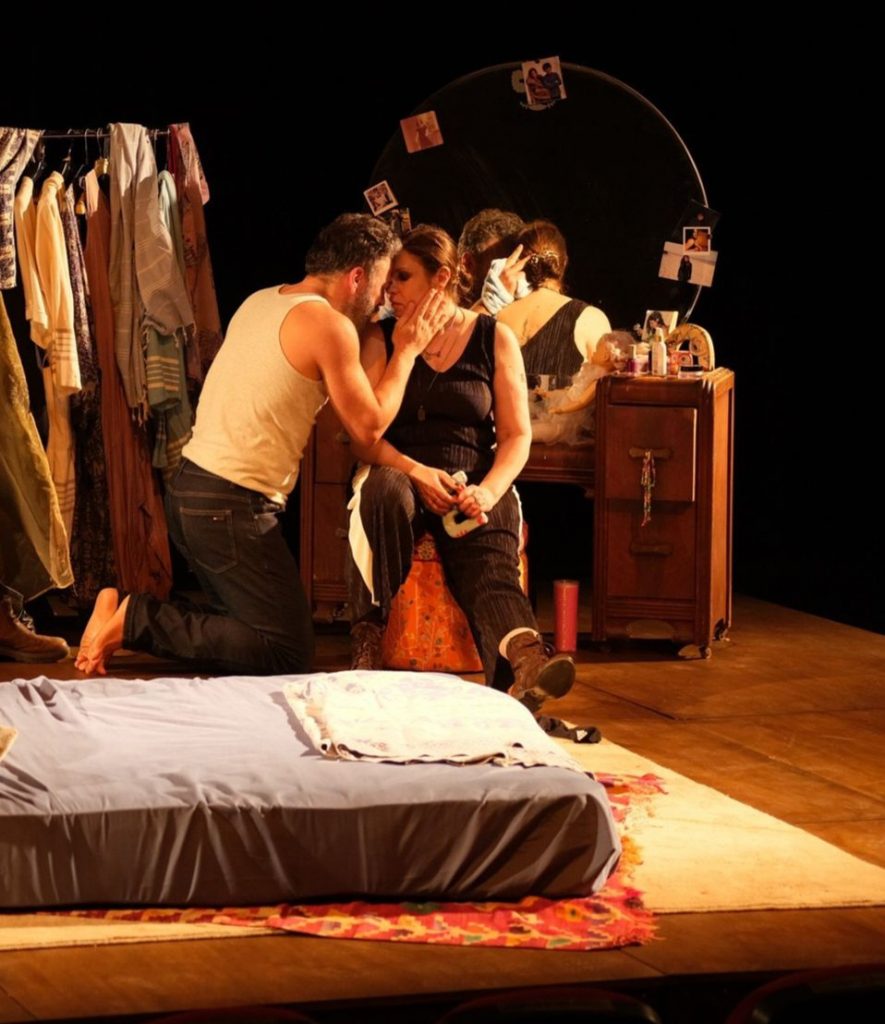
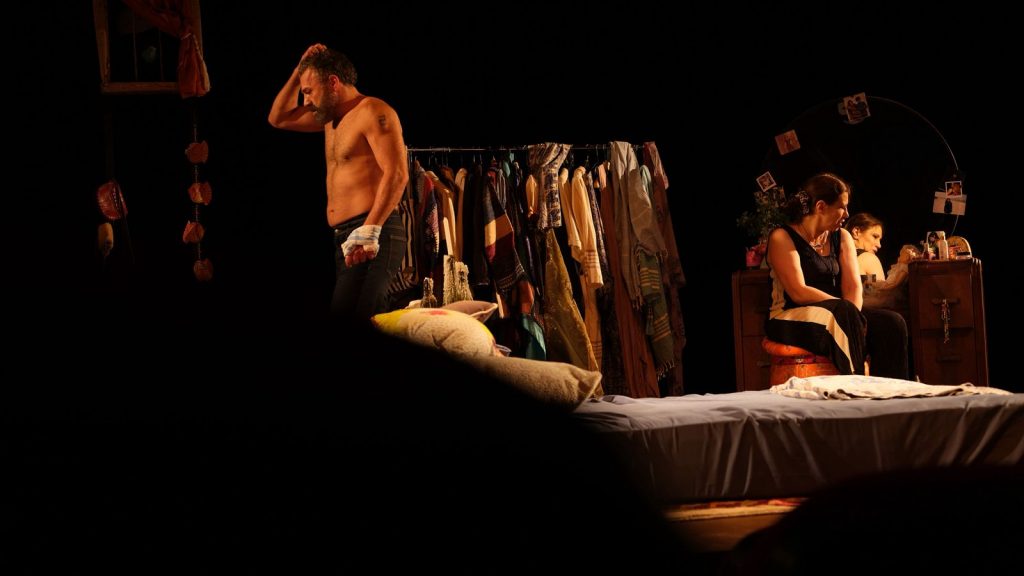
In Jacques Maroun’s staging at Theatre Le Monnot, the work operates less as a straightforward adaptation of John Patrick Shanley’s text and more as an exercise in compressing human relations under extreme pressure. The dramaturgical space is reduced to its most severe form, a closed confrontation between two individuals stripped of emotional distance and protective layers.

Within this frame, Danny, played by Dory El Sammarani, emerges not as a conventional figure of anger but as a body in constant friction with itself, suspended between impulse and collapse. Bertha, performed by Carol Abboud, is shaped as a saturated interiority, where memory overwhelms the present and internal judgment replaces external reality.

What distinguishes the performance is the absence of traditional escalation. Rather than progressing through clear dramatic steps, the piece moves through gradual erosion, where stability dissolves and interpretation becomes increasingly unstable. Tension replaces narrative clarity as the main structural force.

Directorially, Maroun compresses the space to intensify proximity between the characters, yet this spatial concentration is not always supported by a consistent rhythmic architecture. High intensity sequences are followed by abrupt reductions in pressure, creating an uneven pulse that affects the coherence of the overall experience.

In terms of performance, Dory El Sammarani delivers a physically charged interpretation that clearly conveys a body on the edge of rupture, though the psychological transformation does not always reach full depth and occasionally remains at the level of external expression. Carol Abboud approaches Bertha through a restrained internal register, yet some moments remain anchored to a recognisable performance vocabulary rather than complete dissolution into the character.

The writing itself relies on accumulation rather than economy. This choice gives the text density, but at times it replaces discovery with declaration, reducing the sense of unfolding that theatre usually depends on.

Even the visual language, though strong at its inception, does not consistently sustain its initial tension throughout the duration of the work. The production succeeds more in establishing a powerful opening atmosphere than in maintaining a continuous dramaturgical arc.

Still, what persists is not the structure of the performance but the unsettling idea it leaves behind. “Al Wahish” does not present the beast as an external figure, but as an internal condition, a possibility that emerges when human balance collapses. A work that does not ask for agreement, but instead reopens a more difficult question about what it means to confront the fragile limits within ourselves.

The Zurich Film Festival (ZFF) will present the Career Achievement Award to the celebrated composer and Oscar winner Gabriel Yared, honoring him with the Golden Eye for lifetime achievement during the “Cinema in Concert” gala at the Tonhalle Zürich on October 1, 2026. This continues a six year tradition in which ZFF pays tribute to Academy Award winning figures in film music.
Yared stands as one of the most significant voices in contemporary film scoring, known for his iconic work on The English Patient, The Talented Mr. Ripley, Cold Mountain, and Betty Blue. His score for The English Patient earned him an Academy Award, Golden Globe, Grammy, and BAFTA, cementing his place in cinematic history.
During the 22nd edition of the Zurich Film Festival, he will also serve as jury president for the International Film Music Competition, held for the 14th time in collaboration with the Tonhalle Society Zürich and Forum Filmmusik.


Starting May 28th, the
second edition of the “South Screens” Festival will be launched by
the Metropolis Cinema Association. The festival runs from May 28 to June 6,
2026, at Metropolis Cinema (Mar Mikhael) – Achrafieh, Beirut.

This festival is held in belief that
Metropolis Cinema provides a platform for films from the Global South. This
edition features films from 15 countries and co-productions, bringing to the
Lebanese audience, who loves cinema, the opportunity to discover films from
diverse cultures that have gained international acclaim. Metropolis Cinema aims
to be the space where Lebanese audiences explore these valuable films.

The festival opens with the Lebanese film
“And the Fish Fly Above Our Heads” directed by Dima El-Horr.
The film previously won the Zonta Award in the Burning Lights competition at
Vision du Réel festival 2025 in France and has participated in several
festivals. It will be screened for the first time in Lebanon with the director,
Dima El-Horr, in attendance.

The closing film will be the Palestinia
film “All That’s Left of You” directed by Cherien Dabis. It had its World Premiere at Sundance Film Festival and has won several awards at
various festivals, including the Silver Yusr Award at the Red Sea International
Film Festival in Jeddah.
Another distinguished guest is the
Spanish-French director Oliver Laxe, who will arrive in Beirut
despite current circumstances. He will give a Master Class on June 3rd,
moderated by Rabih El- Khoury, Arab Film Programmer at the Berlin International
Film Festival and a member of the Metropolis Cinema Association. 

His latest film, “Sirât”
which won the Jury Prize at Cannes 2025 and was nominated for the Best
International Feature Oscar representing Spain, will also be screened. The film
is notable for its sound work.

Oliver Laxe’s previous works have also been
featured and awarded at various festivals. Notably, his film
“Mimosas” shot in Morocco, won the Grand Prize in the Critics’ Week
at Cannes in 2016. His film “Fire Will Come” won the Jury Prize at
Cannes in 2019 in the “Un Certain Regard” section. Laxe is known for
his strong ties with the Arab world and Arab culture.
Classics also feature in this edition, with
two films: 


– “The Years of Embers”(AKA
Chronique des années de braise) by the late Algerian director Mohammed
Lakhdar- Hamina, which won the Palme d’Or at Cannes in 1975 and was the first
Arab film to receive this honor. 

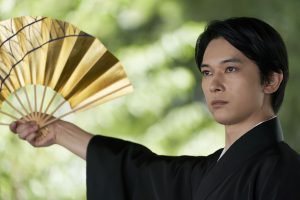
– The Iraqi film “Saïd
Effendi” directed by Kameran Hosni, produced in 1957. It is considered
part of Iraqi cinematic heritage, depicting social realism and representing a
strong hope for the renaissance of Iraqi national cinema. It was recently
restored and screened at Cannes Film Festival last year.

Additionally, we highlight Arab film
participation, including:

– The Iraqi film “The President’
Cake” directed by Hassan Hadi, which had its world premiere at Cannes
in the Directors’ Week section in 2025, and won the Caméra d’Or.

– The Saudi film “Hijra”
(Migration), directed by Shahad Ameen, which had its international premiere at
the Venice Film Festival in Italy.

Before a packed audience of artists, media figures, cultural personalities, and
representatives of television, radio, print, and digital press, Al Wa7esh
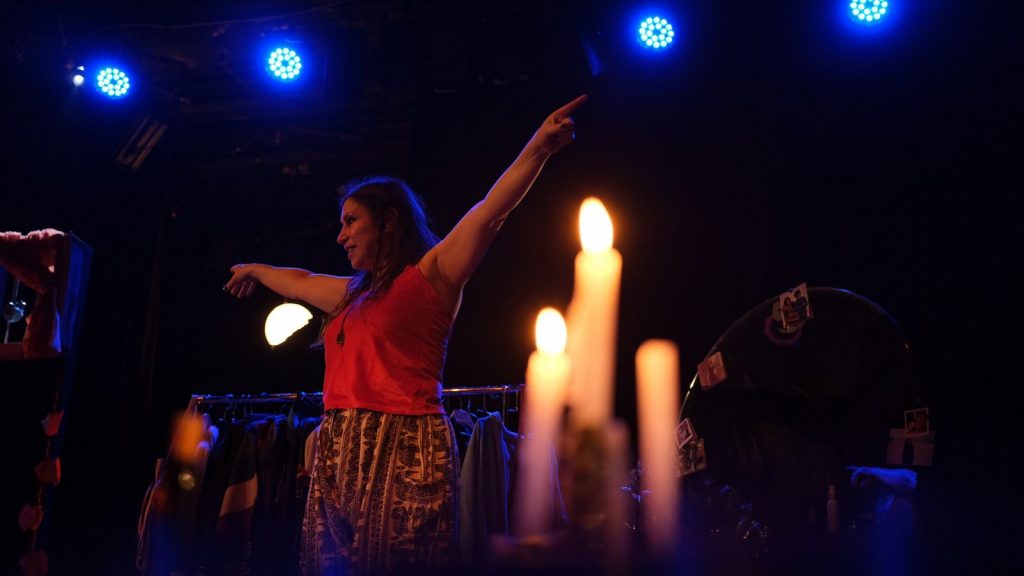
opened at Théâtre Le Monnot with a special preview performance led by
the magnetic presence of Carole Abboud and Dory Al Samarany.

Directed by Jacques Maroun, the production brings to Beirut John
Patrick Shanley’s celebrated  Danny
and the Deep Blue Sea in an Lebanese-Arabic translation by Arze
Khodr. At the center of this Lebanese staging lies the volatile encounter
between its two performers: an emotionally exposed duet carried by tension,
rupture, tenderness, and the fragile possibility of connection.


The play follows Roberta and Danny, two wounded outsiders who
meet one night in a nearly empty bar. Both arrive armed with fear, anger, and
years of buried pain. What begins as confrontation slowly shifts into
confession, as two people seemingly incapable of tenderness begin, cautiously and
awkwardly, to recognize themselves in one another.


Abboud gives Roberta a presence that is at once bruised and defiant,
moving seamlessly between vulnerability and control, exhaustion and instinct.
Opposite her, Al Samarany brings Danny a raw, restless energy, shaping
him less as a brute than as a man desperately shielding himself from collapse.
Together, they create a stage relationship built on silences, eruptions,
hesitation, humor, and need.

Rather than treating Danny and the Deep Blue Sea as a distant
American text, Al Wa7esh draws Shanley’s world into a distinctly
Lebanese emotional landscape. Under Maroun’s direction, the play becomes less
about geography than recognition: the familiar sight of people living at the
margins of themselves, struggling to name their wounds while reaching, however
clumsily, toward grace.

The return of Al Wa7esh to the stage also carries particular
resonance. The production was first presented in 2019 at Maroun’s artistic
workshop before Lebanon’s successive crises interrupted its path toward a wider
audience. Its opening at Théâtre Le Monnot now marks not simply a
revival, but the continuation of a theatrical journey long left suspended.

Shanley, the Academy Award-winning screenwriter of Moonstruck and
Pulitzer Prize and Tony Award-winning playwright of Doubt: A Parable,
remains one of the defining voices of contemporary American theatre and cinema.
Danny and the Deep Blue Sea is a compact, unforgiving work that
leaves little room for ornament or evasion, placing extraordinary demands on
its performers.

Since its first presentation, Al Wa7esh has drawn attention for
the intensity of its lead performances and for its ability to transform an
international text into something immediate and locally resonant. In its new
run at Théâtre Le Monnot, that force is carried above all by Abboud
and Al Samarany, whose performances place audiences face-to-face with fear,
rage, humor, longing, and the uneasy hope of redemption.

Written by John Patrick Shanley, translated by Arze Khodr,
produced and directed by Jacques Maroun, and starring Carole Abboud
and Dory Al Samarany, Al Wa7esh is now playing at Théâtre
Le Monnot.


Following his first single “LAS TROMPETAS DE NAEL,” Ibrahim Maalouf will unveil a new
track from his forthcoming album, TRUMPETS OF MICHEL-ANGE VOL. 2, on May 22, 2026.

Here, Ibrahim brings together an exceptional lineup: Richard Galliano, one of the
most respected accordionists in the world, and Las Migas, the all-female
Spanish quartet known for their modern flamenco sound.

A RHYTHMIC, RADIANT, VIBRANT, AND UNIFYING COLLABORATION

“CHASING THE SUN” embodies the spirit of the Trumpets of Michel-Ange: bringing together
heritages, timbres, and cultures into an open and universal musical language.

Through “CHASING THE SUN,” Ibrahim Maalouf continues his exploration of music rooted in
transmission, movement, and encounter, bridging the Mediterranean, traditional
jazz, and global music traditions.

EXCEPTIONAL GUESTS

A major figure in accordion and European jazz, Richard Galliano has recorded more
than 70 albums under his own name and remains one of the rare accordionists to
have achieved such broad international recognition, particularly across jazz
and classical repertoires.

Alongside
him, the four talented musicians of Las Migas bring their flamenco energy,
distinctive vocal and instrumental identity, and a free, contemporary approach
to flamenco shaped by more than 20 years on stage. Las Migas have also been
honored with a Latin Grammy Award.


THE ALBUM TRUMPETS OF MICHEL-ANGE VOL. 2 WILL BE AVAILABLE ON JUNE 12,
2026.

 
Inthe spirit of Trumpets of Michel-Ange, “CHASING THE SUN” reflects the
philosophy of transmission that has guided Ibrahim Maalouf since the beginning
of his career. At the heart of the project are collective energy, listening,
and the flow of voices and rhythms — like a shared language being built and passed on.

With “CHASING THE SUN,” Ibrahim Maalouf delivers a radiant and deeply collective
track that transforms a moment of celebration into a universal experience:
coming together, moving as one, and letting music unite us.


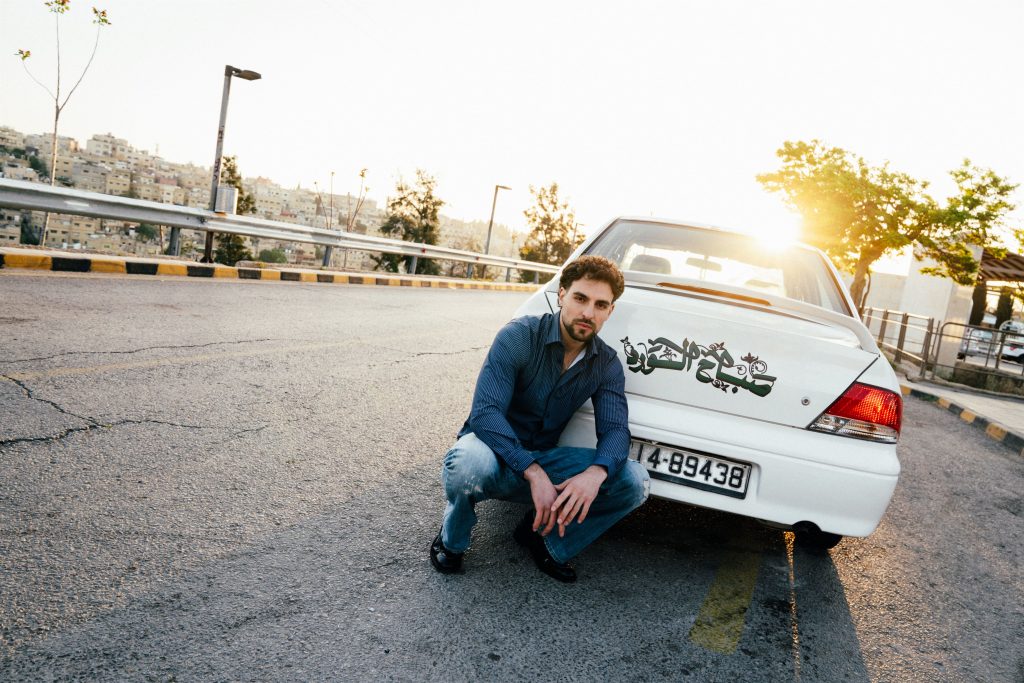
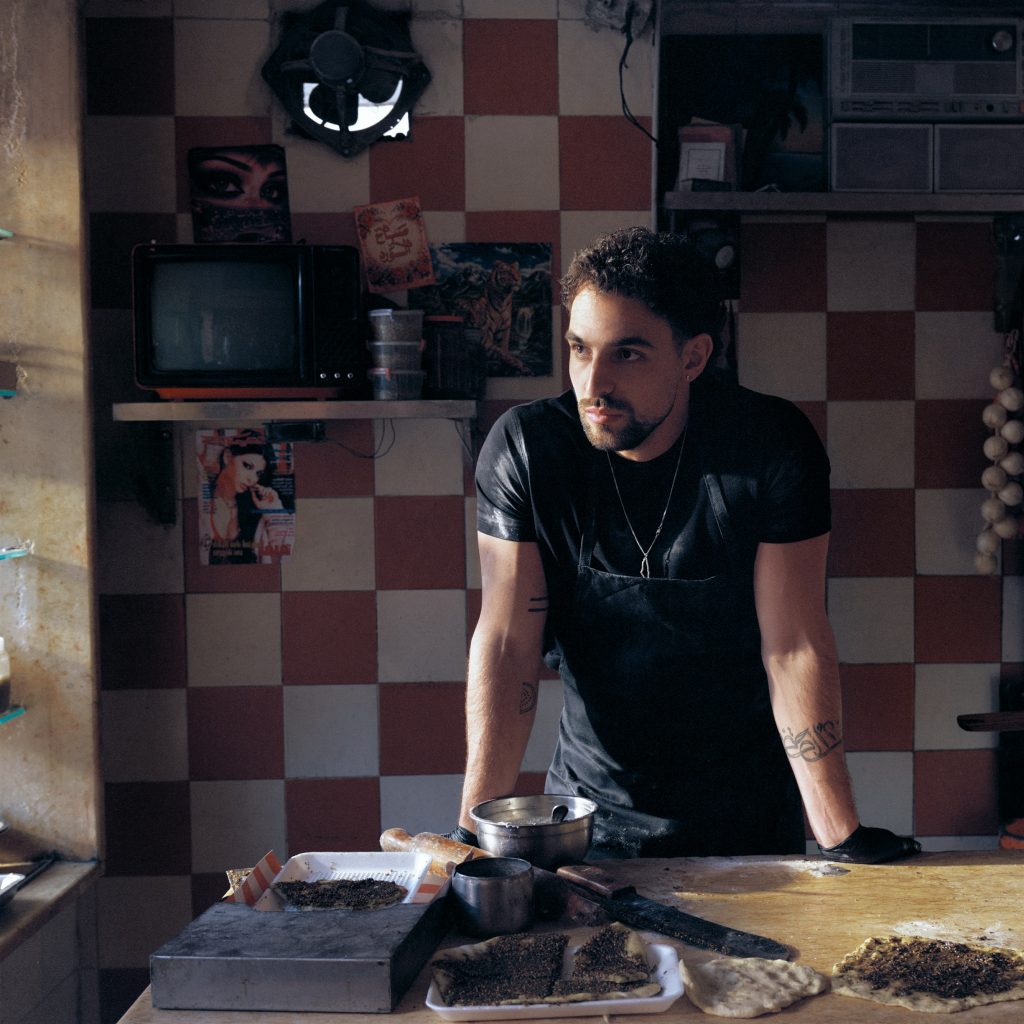
Globally acclaimed artist Saint Levant returns with “Sabah El Ward,” released with SALXCO UAM | VIRGIN MUSIC GROUP.
Romantic and nostalgic, the new single blends the warmth of Arabic melodies with a subtle nod to the 1980s, reviving the spirit of a golden musical era while giving it a fresh, contemporary edge.
Written by Saint Levant alongside Ahmed “Men3em” Abdulmomen Samy Abdulmomen, and produced, mixed, and mastered by Souhail “Ratchopper” Guesmi, “Sabah El Ward” taps into the emotional core of Arabic music, drawing inspiration from the rich tradition of tarab and legendary voices of the past such as Farid al-Atrash. The record finds Saint Levant fully embracing his lived local experience following his move back to Jordan two years ago. Rooted in Levantine sentimentality and musical nostalgia, “Sabah El Ward” marks a defining artistic evolution for the artist that feels deeply connected to the culture, values, and emotional language of the region.


Echoing a sunlit morning, the track captures the intimacy of life’s simplest moments as Saint Levant softly puts it, “Good morning, sweet as roses as jasmine… the sun lights up her room.”
The release is accompanied by a music video directed by Saint Levant himself, co-directed by Mohamed Sqalli, and produced by his father Rashid Abdelhamid under Made For Palestine. Shot in Amman, the video stars Yasmina Zaytoun, also known as Miss Lebanon 2022, and captures the tenderness of young love in the Arab world. Serving as an ode to the Levant, the release introduces a new chapter for Saint Levant: one grounded more in cultural belonging, romanticism, and emotional sincerity.


With “Sabah El Ward,” Saint Levant continues to redefine boundaries, blending the sounds, styles, and languages of the Arab diaspora into a singular voice that resonates worldwide. He was recently featured on NPR, who described his journey as a reflection of “what it means to create music and represent a Palestinian identity on a global stage.” He also graced DAZED MENA’s inaugural issue, further cementing his status as a cultural icon. Named “Arabic pop’s leading man” by NYLON and honored as GQ France’s 2023 Man of the Year and GQ MOTY 2025, Saint Levant has garnered acclaim across music and fashion. Having performed at Coachella, Gov Ball, and been spotlighted by PAPER, Rolling Stone, Billboard, Variety, and Grammy.com’s 2025 Artists to Watch, Saint Levant merges identity and innovation, bridging antiquity with modernity to create a sound that is both rooted and forward-looking.


“Sabah El Ward” Link ⬇️

https://ffm.to/dyqrkk6

Dalia Mubarak and Mahmoud Al Turki have released their new collaborative single titled (Shno Shno – شنو شنو), marking a fresh musical collaboration that blends Gulf emotion with a contemporary Arabic sound.
The song is written by Mohammed Al Waasif and composed by Mahmoud Al Turki. It carries a youthful and vibrant approach, built on energetic rhythm and smooth vocal harmony that highlights the strong artistic chemistry between both artists.
(Shno Shno – شنو شنو) brings together Dalia Mubarak emotional vocal delivery and Mahmoud Al Turki engaging performance style, positioning the track for wide reach across the Arab music scene.

Scroll to Top